![]() |
|
|
|
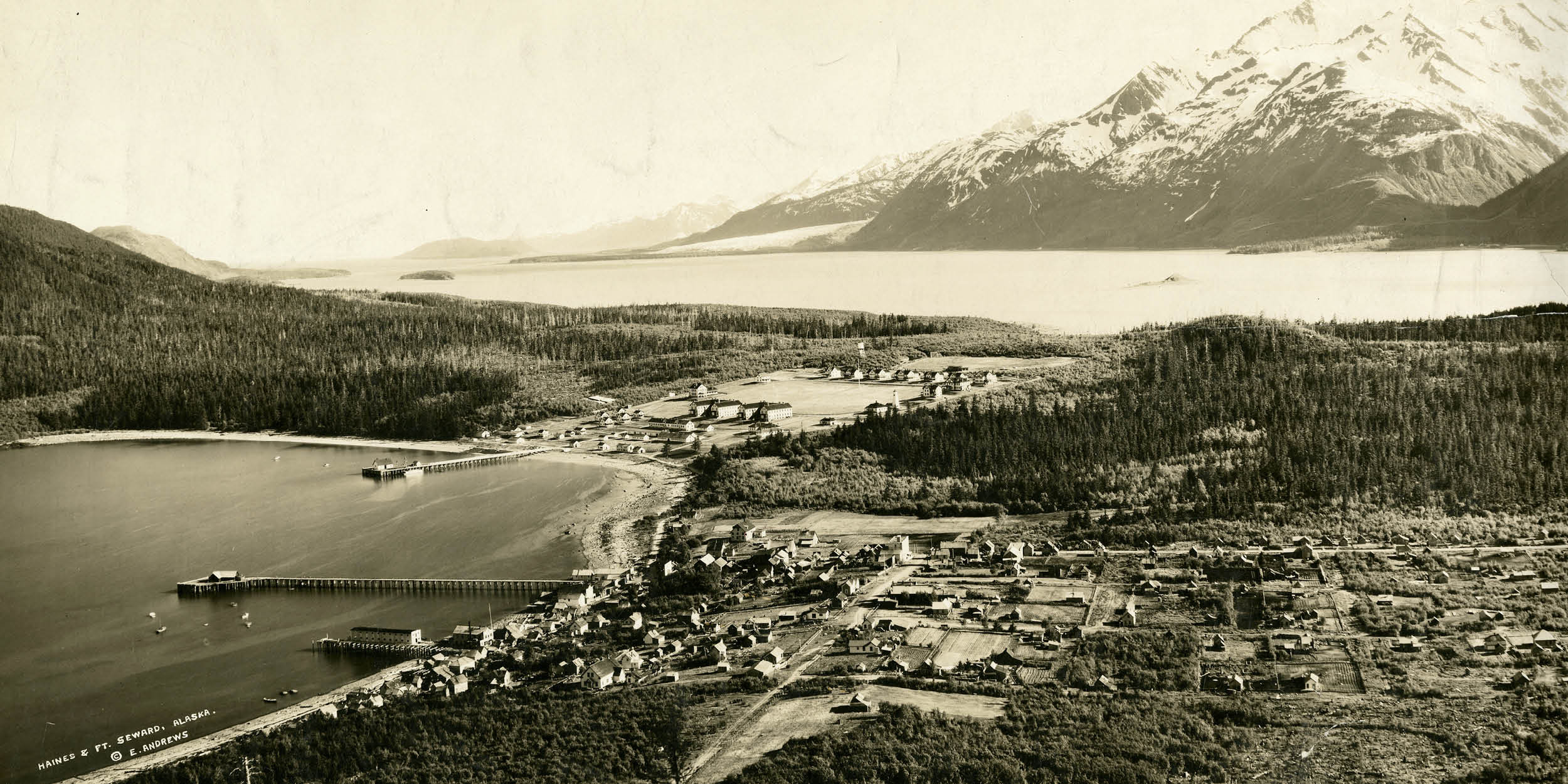
![]() Fort Seward backed by the snow encrusted Chilkat Mountain Range |
In 1902, Captain Wilds P. Richardson was sent to Alaska for his second tour of duty. He was designated as quartermaster to build a new fort on the Lynn Canal, near Haines. Why did the Army decide to build a post near Haines at that time? The reasons remain obscure. Equally obscure is the reason for the name given to the new Army post Fort William H. Seward. The name of the new fort honored the man who had negotiated the purchase of Alaska from the Russians, but the peninsula in Northwest Alaska on which Nome was located had already been named for him, as well as the city of Seward on the Kenai Peninsula. This caused confusion in the Post Office and other agencies for many years until the Post was renamed Chilkoot Barracks in 1922. (After the purchase of the fort in 1947 it was renamed Port Chilkoot and then resumed its original name when it was declared a Historic Landmark in 1972.)The new fort was to be a showplace a symbol of the Armys strength in Alaska. It encompassed 4,000 acres of spruce forest. Foundations for the buildings were cut from local granite by Italian stone masons imported for the purpose. Cedar siding was placed on building exteriors over diagonally laid pine boards. Units of the 3rd Infantry assisted Captain (now Major) Richardson in completing the fort and in the building of a rifle range. The post later became the home of the 7th, then the 4th, then the 32nd Infantry. The well-known 30th Infantry band was stationed here from 1912-13.
Colonel Thomas C. Woodbury was the posts first commander. He arrived in November 1904 to find two large barracks and officers houses fringing a grassy parade ground. There were also a fire hall, guardhouse, Post Exchange, dock, icehouse, warehouse, stables and cable (telegraph) office. Ninety-odd buildings, including houses for non-commissioned officers and a hospital were part of the completed fort.
|
|
|
The post surgeon, commanding officer and their families were housed in single family dwelling. Other married officers (lieutenants and captains) lived in two-family or duplex houses, the lieutenants in the smaller houses and the captains in the larger. Bachelor officers were housed in separate quarters. Non-commissioned officers and their families lived in duplex houses of similar architecture. However, the non-coms quarters were built in an area apart from the officers on a street that came to be known as Soap Suds Alley. The story goes that the non-coms wives did laundry for the officers and their families. The soapy water was discharged into the street where it flowed downhill and into the bay, thus giving the street its name.
|
![]() Soldiers drilling in the Fort Seward parade grounds |
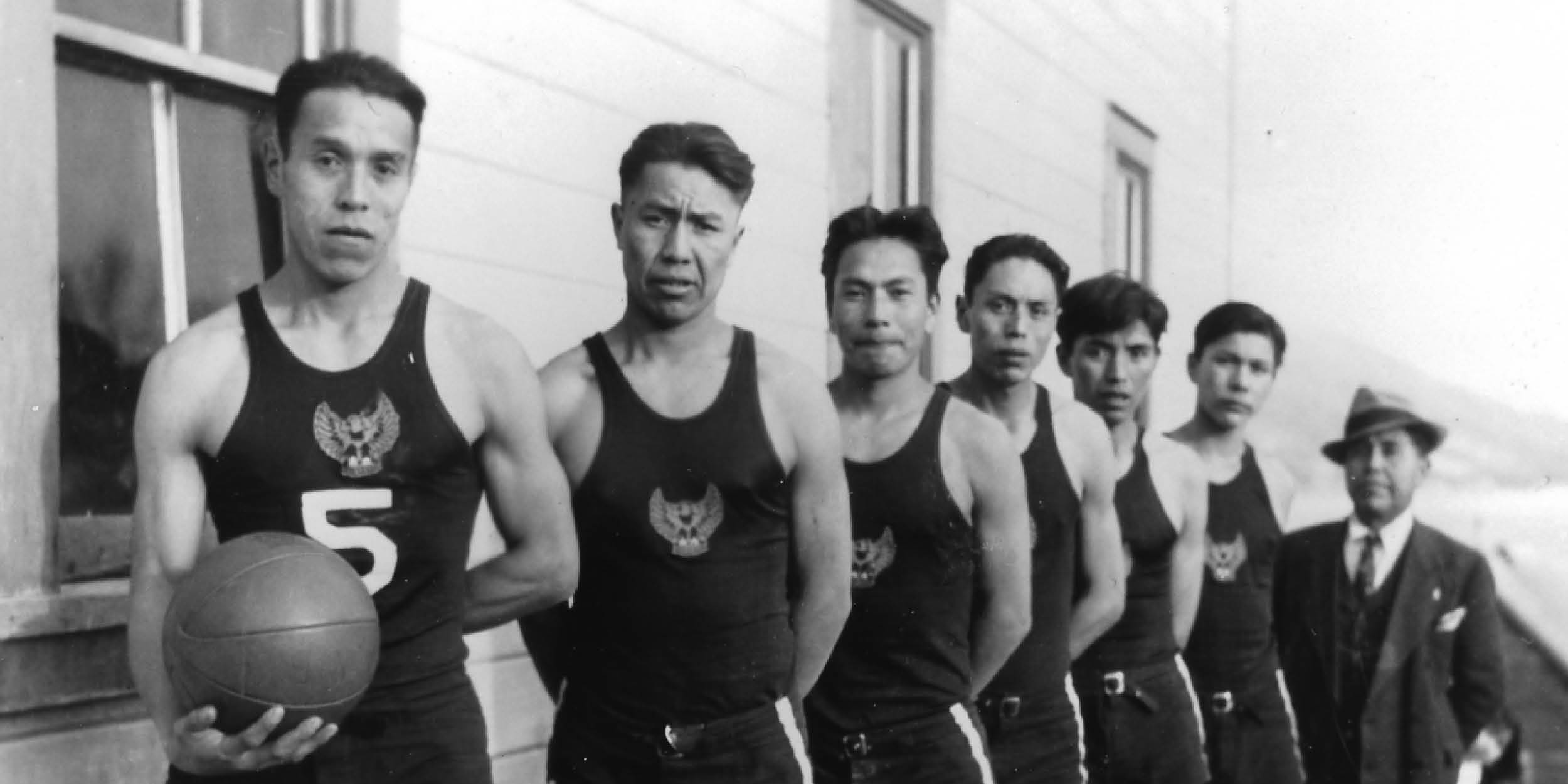
Life for the men at Fort Seward was relatively relaxed. After their usual soldierly duties, and sometimes as part of it, the men could hunt and fish. They blazed trails into the woods and built cabins where they would go for R&R on 3 day passes. Travel was by dog sled or skis during the winter or by mule drawn wagon in the summer. As late as 1935, there were few trucks or other motorized vehicles at the post. Mules and horses were the common mode of travel.Many social activities were held at the post during the 1920s and 30s. Dances were held in one of the barracks buildings. Later, when this proved inadequate, the army purchased a cannery building located at Pyramid Harbor west of the Chilkat Peninsula. It was cut into sections and rafted around the peninsula to the Post. Reassembled, it became the E&R (Education and Recreation) Hall. In summer, dances were held whenever a ship was in port, usually once a week. The ships brought not only tourists, freight and supplies to the post, town and nearby miners, but also supplied the orchestra for dancing music. The Post orchestra played for winter dances held at least once a month. The 35 or so available women could literally "dance all night" and many of the single girls from town married army men. The E&R officer arranged dances and other activities such as basketball and baseball trips and tournaments, and movies. Officers wives were required to host social functions and a monthly calendar of activities was posted.
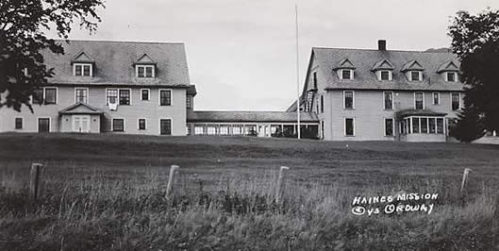
In May of 1941, possibly in anticipation of war with Japan, F Company was transferred to Sitka. Soon after, E Company moved to Anchorage leaving only the Quartermaster Corps and the Signal Corps at the Post. Chilkoot Barracks became a training and staging area for men headed for combat in the Aleutians. By the end of World War II, however, there were just two men at the post tending to its closure.In 1947, the entire post was declared surplus property and sold to a group from the lower 48 states headed by five veterans. They had great plans for the creation of a new community called Port Chilkoot. Some of the plans became reality: the establishment of a hotel; regular sea transportation to Skagway and Juneau; and the revival of Indian arts and crafts through a school for that purpose. Several of the original Port Chilkoot pioneers continue to live in Haines, but many did not remain in Alaska.
As of this writing (1988 and unchanged in 1999) the bachelor officers quarters and commanders house are the Halsingland Hotel; the hospital building is the home of Alaska Indian Arts; the chief surgeons house is a bed and breakfast; and the E&R hall is now the Chilkat Center for the Arts. Replicas of Indian tribal buildings have been erected on the parade grounds and house a salmon bake. All officers and non-commissioned officers houses are in private ownership. Several have been converted into apartments and one is a condominium. The cannon that once saluted the raising and lowering of the flag sits mutely ornamenting a lawn.
|
REFERENCES
|
| Personal interviews: Steve Homer, Elisabeth and Felix Hakkinen, Budge McRae, and Ray and Emma Smith, all local residents associated with Ft. Seward, 1988. |
| Morgan, Lael. "Ft. William H. Seward." Alaska Sportsman. April 1967. |
For further information on Haines History please view the
following links:
Chilkat Bald
Eagle Preserve • Eldred
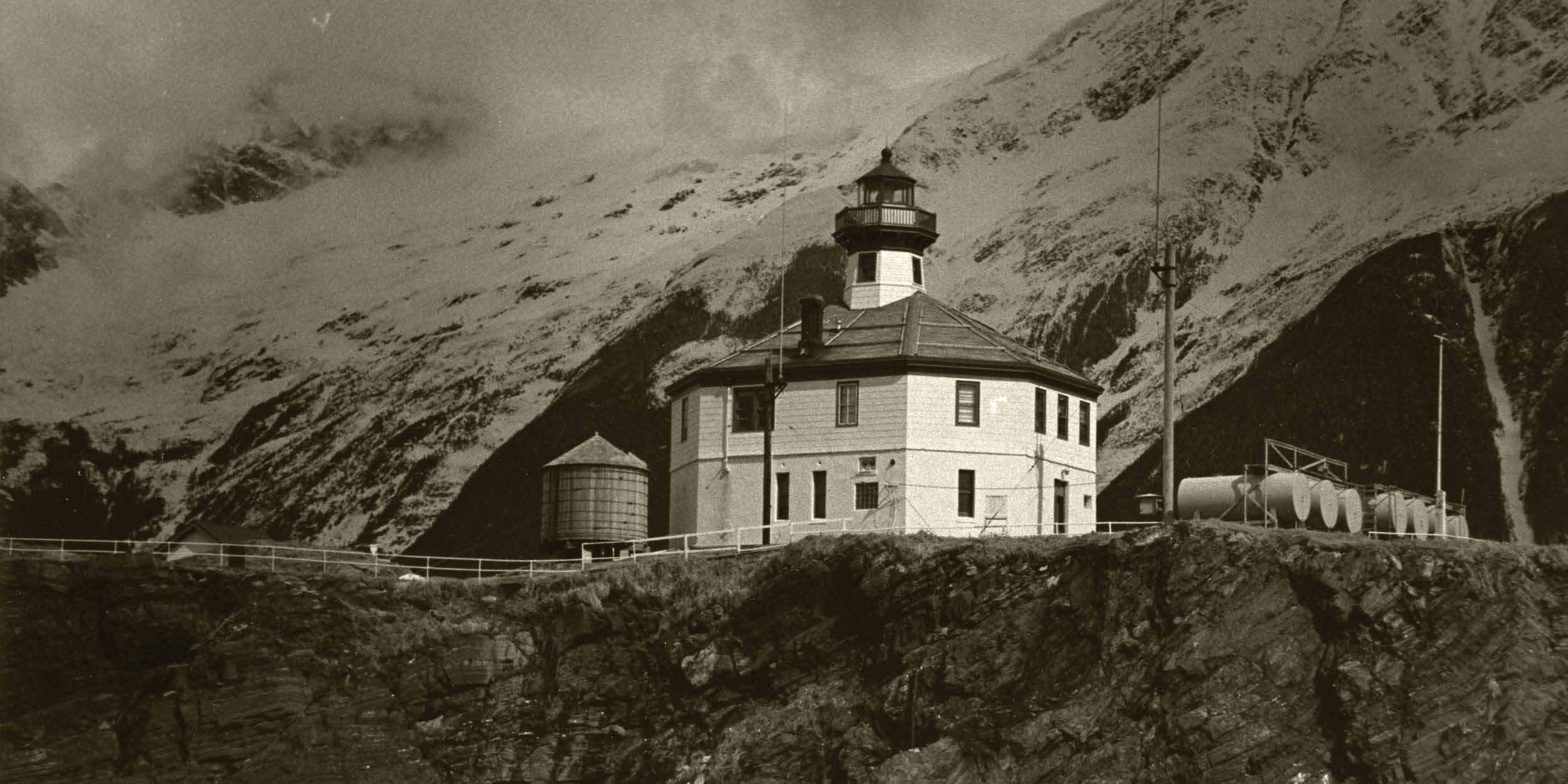
Rock Lighthouse • Haines Highway
• Haines House • Porcupine
Goldrush
[Home]
[General Information ] [Calendar
of Events ] [Collections, Exhibits & Archives
]
[Museum Store ] [Nuggets of
Haines History] [Membership ] [Contact
Us]
Sheldon Museum & Cultural Center, Inc.
Box 269, Haines, AK
99827 - Phone: (907) 766-2366
museumdirector@aptalaska.net